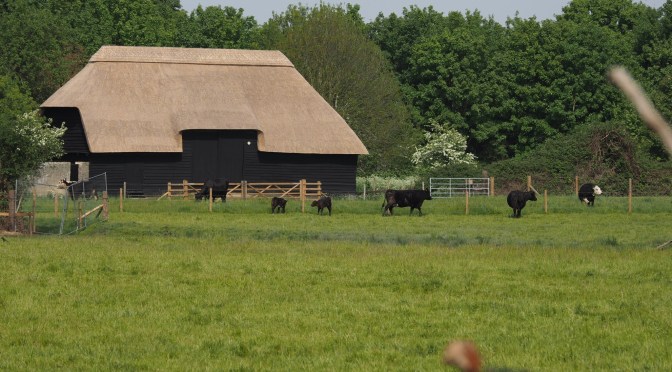
Like any other building, the Landbeach tithe barn needs looking after if it is to be kept in good condition. Below, our Chair Kate Doak-Keszler explains why regular maintenance mornings are a vital part of the Trust’s work if it is to fulfill its goal of ensuring the long-term survival of the barn as a valued community asset and outlines how you can make a contribution to preserving this ancient building.
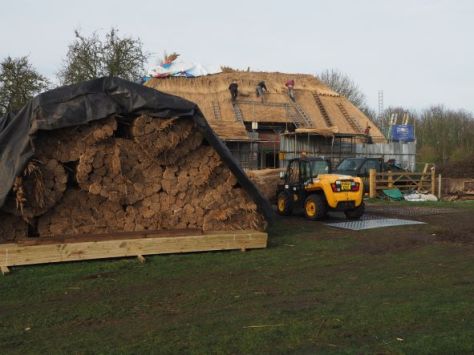
Back in 2019, the Tithe Barn Trust was involved in major restoration work to both stabilise the structure and rethatch the roof. This type of corrective maintenance always gets attention, because it involves major work and results in major change to the appearance of a building. What gets far less attention is the regular, ongoing preventative maintenance that the Trust oversees today.
We all know the saying – an ounce of prevention is worth a pound of cure. For buildings, it might be more accurate to say a penny of preservation is worth a couple hundred pounds of restoration! This is even more critical when we are considering a historic building, where the loss of the original fabric of the building means losing an irreplaceable piece of history. As an example of the costs of deterioration, 2019’s restoration work put right decades of relative neglect at a cost of over £100,000. As the saying above suggests, it is far cheaper to put the work in now to prevent the financial pain later.
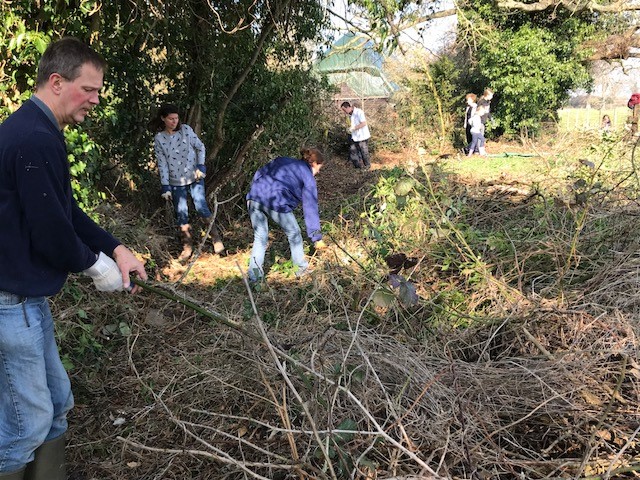
The cornerstone of our proactive approach is our quarterly volunteer days, where we invite our community to come and help with outdoor maintenance and barn cleaning. These are a major part of the barn’s preservation and a key activity. On the one hand, this team effort helps us to ensure the barn and grounds see regular upkeep and inspection. On the other, it helps our community feel connected to and invested in the barn as a valued local asset worthy of preservation.
These quarterly volunteer days at the barn help the Trust keep up a schedule of basic housekeeping. By far the greatest danger to any historic building is disuse, which allows for deterioration to set in unchecked. In addition to the programme of events in the barn, having a maintenance list that includes putting eyes and hands on the building ensures that, even when the barn is not in regular use, it is still being minded.
Another important aspect of these maintenance days is helping the Trust schedule regular inspections of the building and site. By documenting these inspections with photos and notes, we are able to track changes and monitor the condition of the barn and provide preventative maintenance before we have serious issues. It also makes it easier to recognize and develop corrective actions in the case of unforeseen events such as accidents or extreme weather where barn or grounds are negatively impacted.
GENERAL OVERVIEW OF OUR QUARTERLY ANNUAL SCHEDULE
Typically, on a maintenance day we are on site from 9:30 am to 12:30 pm, and it is the perfect time not only to help keep our barn in tip-top shape, but also to check out the site and, for those new to the barn, to get a brief tour. This is what we have planned for this year:
FEBRUARY: OUTDOOR MAINTENANCE
- Trim back vegetation along pathways as needed – we are lucky to have beautiful blackberry-bearing bramble bushes, but they require a firm hand so they don’t take over our pathways!
- Check the barn for any bird-proofing measures needed before nesting starts, and for signs that we have any problems with the little furry friends who like to camp out in the barn over the winter.
- Carry out planting of new shrubs and trees – and check on those planted the year prior.
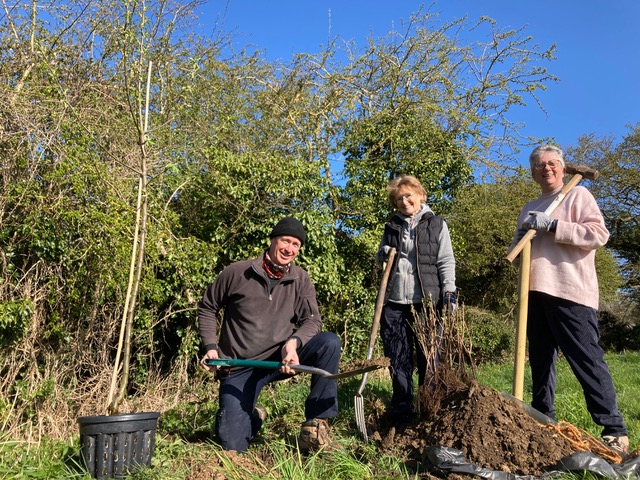
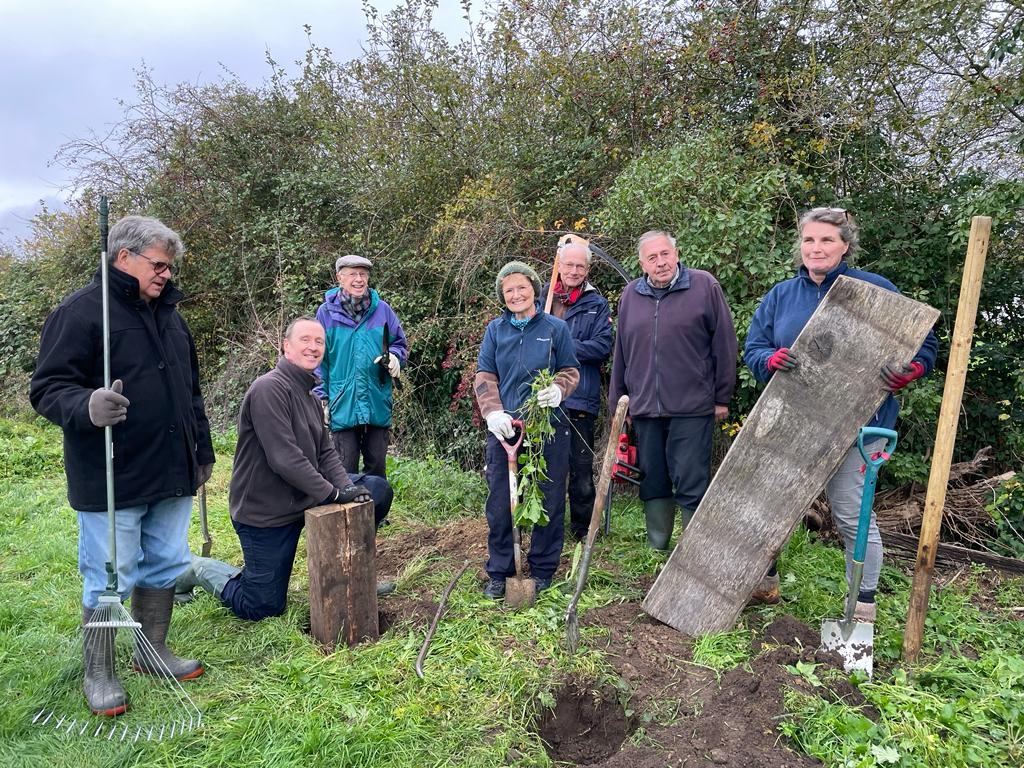
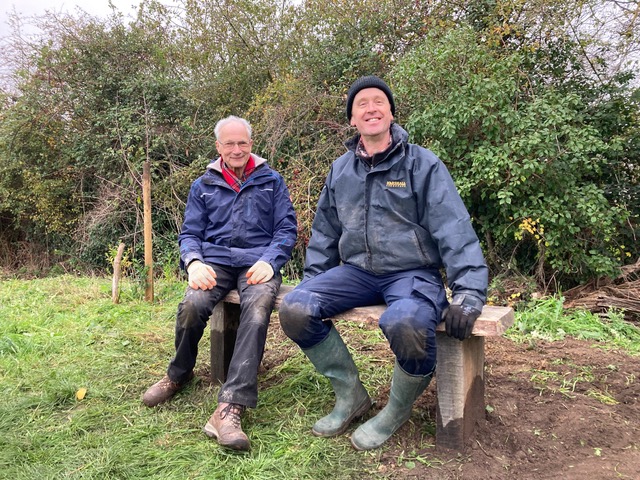
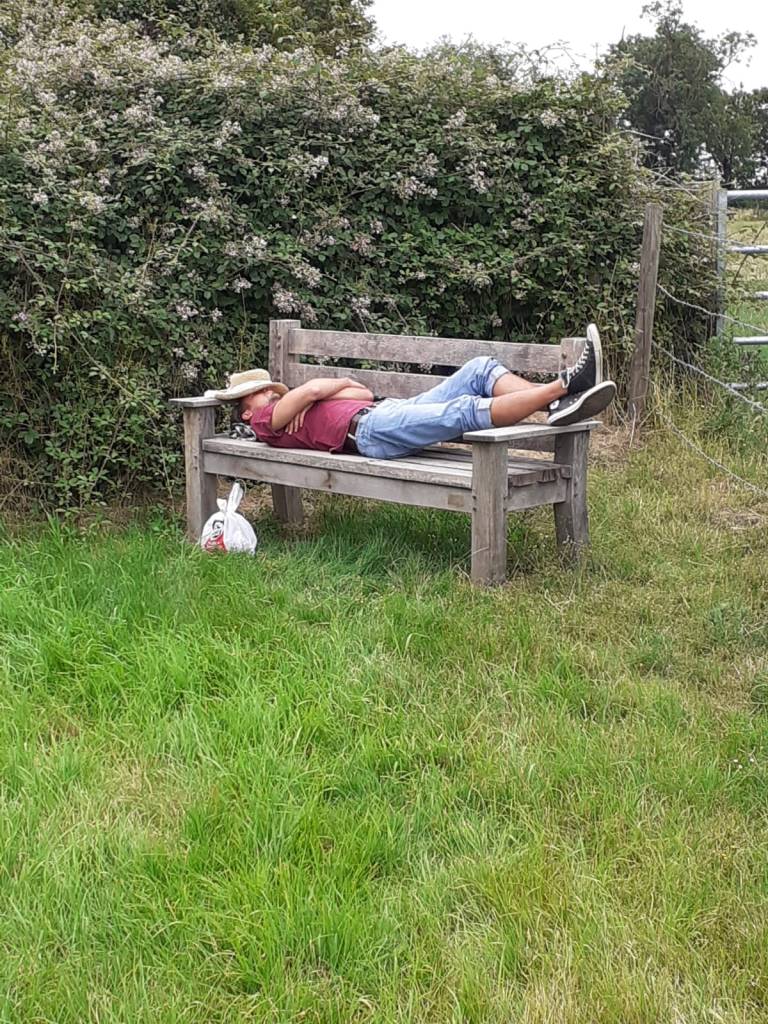
Planting fruit trees; Bench building; Bench testing!
APRIL: BARN CLEANING
- Inspect the roof and the cladding on the sides of the barn – are there any cracks? Is there any staining or plant growth that might suggest issues with water infiltration? This is really important in timber buildings as excessive water leads to rot!
- Do a full inventory of equipment and supplies, especially to replace any expired items of the first aid kit.
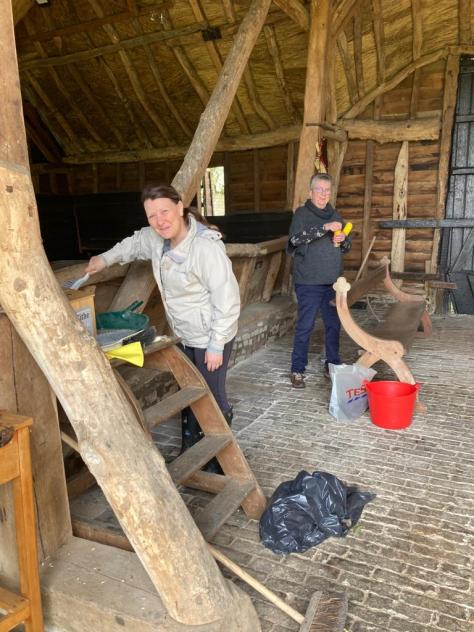
- Sweep out the barn to remove leaf debris, cobwebs and dust that has collected over the winter.
JULY: OUTDOOR MAINTENANCE
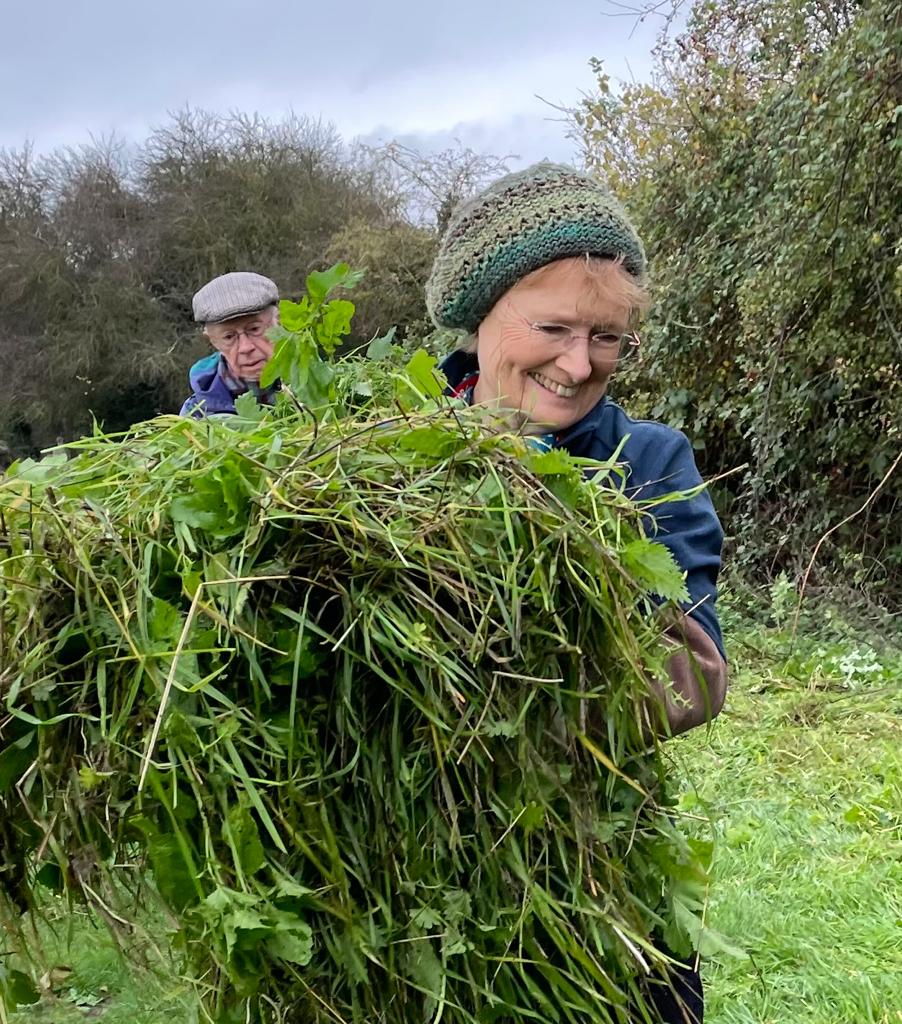
- Keep all that summer growth in check! Not only do the pathways need trimming, but keeping the grass in front of the barn mowed (while maintaining some of the lovely wildflowers that grow here) is important for making sure people can get in and out of the barn.
OCTOBER: OUTDOOR MAINTENANCE
- Time to prep the barn for winter as we come to the end of our open season.
- Clear out unwanted items and pack away equipment and supplies for next year.
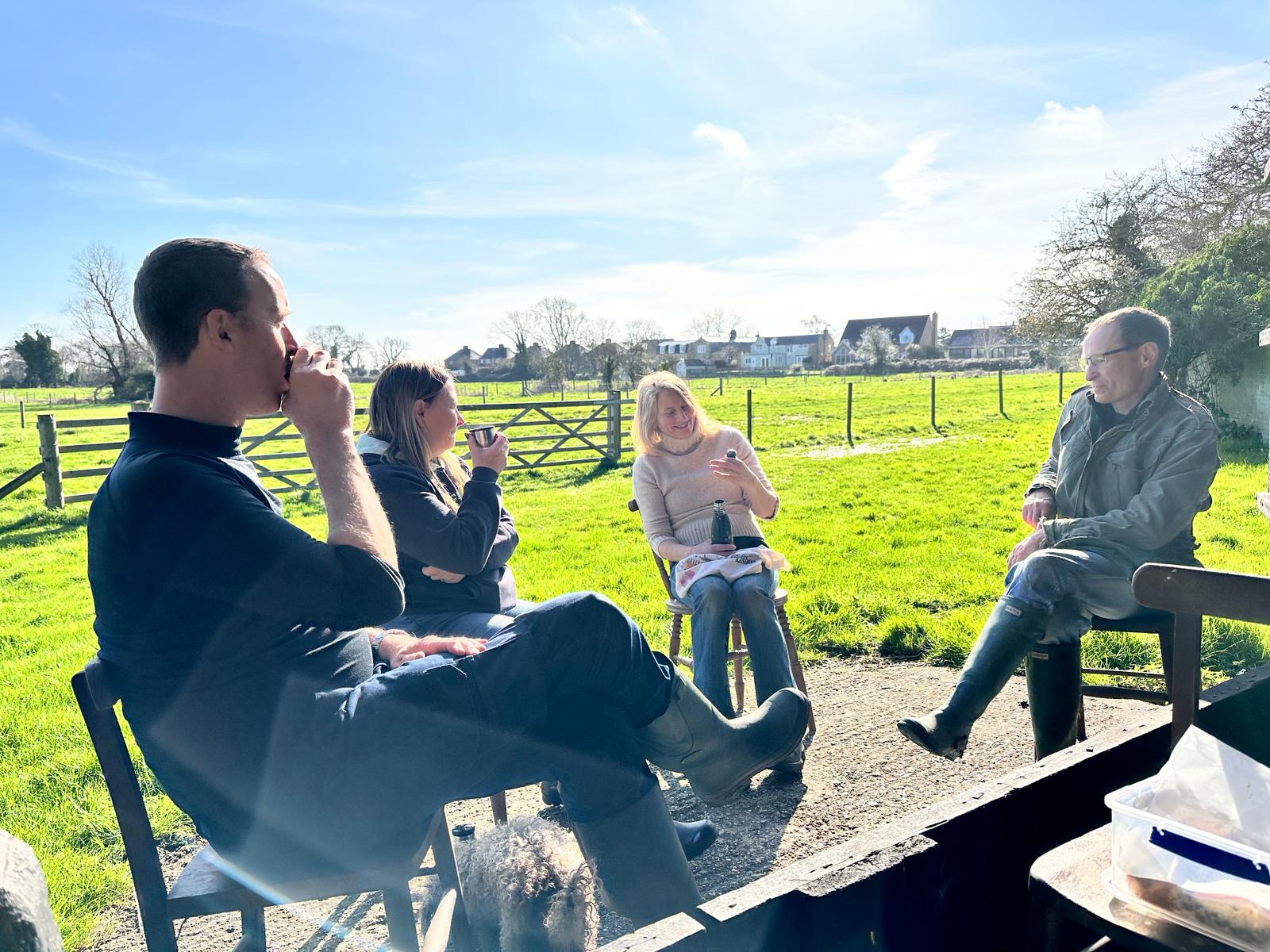
Other important tasks that take place year round are regular visits from our pest control service, checking the fire extinguishers and keeping the ecoloos clean. However, it’s not all work – we take breaks and share snacks and drinks and are very happy to show people around this wonderful medieval building.
For 2026 our maintenance days are set for;
February – Saturday 21st
April – Saturday 18th
July – Saturday 25th
October – Saturday 17th
Everyone is welcome. Whilst cleaning, gardening and maintenance skills are valuable, experience is NOT essential, just come along in sensible clothing and footwear and with a willingness to pitch-in and help. It’s not all work so some snacks to share would be great too!
To find out more look under ‘events’ on our website or contact us on tithebarn@gmail.com
 Tithe Barn Trust